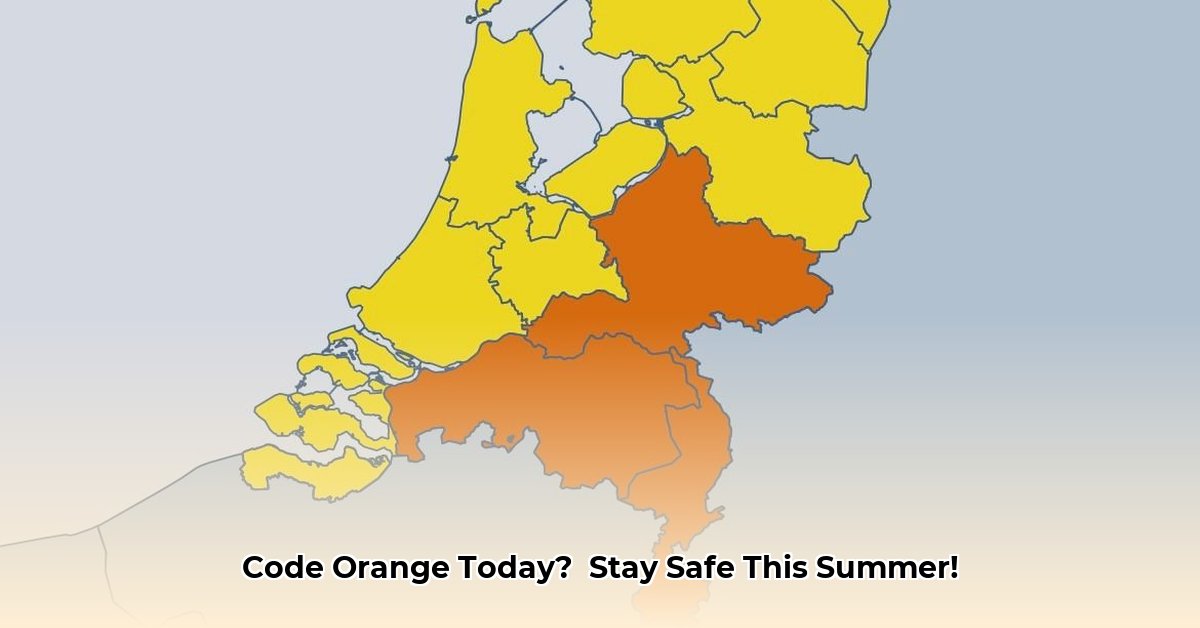
South Africa's summer weather can be, let's just say, exciting. One minute you're enjoying the braai, the next you're battening down the hatches against a sudden storm. That's why understanding the KNMI's (Royal Netherlands Meteorological Institute – yes, they help us too!) Code Oranje Vandaag (Orange Alert Today) warning system is crucial. This isn't just about weather reports; it's about staying safe. This review will examine the system's effectiveness, its limitations, and, most importantly, how you can best prepare. We'll unpack the technical details in plain English, outlining the risks and providing actionable steps for your family's protection, turning you into a summer storm superhero!
The South African Weather Warning System: A Traffic Light for the Sky
Imagine South Africa's weather warnings as a traffic light for the sky. Different colours indicate varying levels of risk:
- Green: All clear! Enjoy the sunshine.
- Yellow: Caution! Keep an eye on the forecast. Potentially disruptive weather is possible.
- Orange (Code Oranje Vandaag): Serious risk! Prepare for significant disruption. Take action to protect yourself and your property.
- Red: Extreme danger! Immediate action is required. Follow official instructions.
A Code Oranje Vandaag means significant disruption is likely. This isn't panic time, but it is preparation time. The specific threats – heavy rain, hail, strong winds, or extreme heat – will be detailed in the official warnings.
What to Expect During a Code Oranje Vandaag Warning
What does this mean in practical terms? You can expect one or more of the following:
- Heavy rainfall leading to flash floods: Streets could become rivers; low-lying areas may become inundated.
- Severe thunderstorms and hail: Damage to property is possible; stay indoors during the height of the storm.
- Scorching heatwaves: Take precautions to avoid heatstroke. Stay hydrated, wear light clothing, and avoid prolonged sun exposure.
Your Action Plan for a Code Oranje Vandaag
Here's a step-by-step guide to navigating an Orange Alert:
Stay Informed: Monitor weather updates from reliable sources like television, radio, and reputable online weather services (avoid relying solely on social media). "Being informed is your first line of defence," says Dr. Anika van der Merwe, Climatology Expert at the University of Stellenbosch.
Secure Your Property: Before the storm hits, secure outdoor furniture, trampolines, and anything else that could blow away or cause damage. Charge all electronic devices. Consider having a backup power source, especially if you use electricity-dependent medical equipment. This preemptive action can save you significant stress and potential losses.
Safe Travel: Avoid unnecessary travel during severe weather. If you must travel, drive slowly and cautiously. "Remember, your safety is paramount," adds Pieter van Wyk, Director of Emergency Services, City of Cape Town
Community Support: Check on elderly neighbours or anyone who might need extra assistance. A simple phone call can make a big difference. "A little neighbourly kindness goes a long way during inclement weather," notes Nomusa Dlamini, community leader from Durban.
Heed Official Advice: Follow evacuation orders or other safety instructions from officials immediately. Their guidance is designed to protect lives.
Understanding the Limitations of the System
While the colour-coded system is a vital tool, remember its limitations. Orange alerts often cover large areas, and weather intensity can vary locally. Always check local news reports for a precise picture of conditions in your area. "Remember, these are broad warnings–local conditions matter," advices Prof. Willem de Klerk, Meteorology Professor at the University of Pretoria.
Preparing for the Unexpected
Ultimately, your safety during a Code Oranje Vandaag depends on your preparedness. By staying informed, taking sensible precautions, and understanding the warning system, you can significantly reduce your risk.
The Future of Weather Warnings in South Africa
Technology is constantly improving, but unpredictable weather will always be a reality. The system could benefit from clearer numerical thresholds or more hyperlocal warnings. Furthermore, improved public awareness campaigns must ensure effective communication to all communities. This holistic approach is key – combining technological advancement with proactive community engagement. Remember, preparation is your best defence against Mother Nature's moods. So, next time you see a Code Oranje Vandaag, you’ll be ready!